Skip to content
All project collections
Web design & development

Websites that make the next move obvious.

Brand-led websites and public web experiences shaped to explain the offer, build trust and turn attention into action.

StrategyUX/UIResponsive buildSEO foundations
Websites
05
Projects
ZEST Consulting product interface
Corporate Website
Website concept01

ZEST Consulting

A clean editorial website for a consulting firm specialising in public and social projects, designed to communicate clarity, participation and energy.

Web DesignBrandingCMS
Transformohu product interface
Fitness Website
Website concept02

Transformohu

An Albanian fitness platform with a bold editorial identity, training programmes, trainer profiles and useful content for a growing community.

Web DesignBrandingMembership
Choosing the right direction

What a strong websites brief needs to answer.

A business website has to do more than look current. It must help the right visitor recognise the offer, understand why the company is credible and know what to do next. PRCONNECT treats the website as a working part of the sales and service journey: the message, navigation, mobile experience, technical build and measurement plan are designed as one system.

The website projects in this collection cover different markets and levels of maturity, so the same template would not solve each problem. Some need an editorial structure for a complex offer; others need image-led proof, booking, product discovery or a clearer path to purchase. Each case page explains the business constraint, the design direction and the scope that was delivered or prepared without claiming private performance figures.

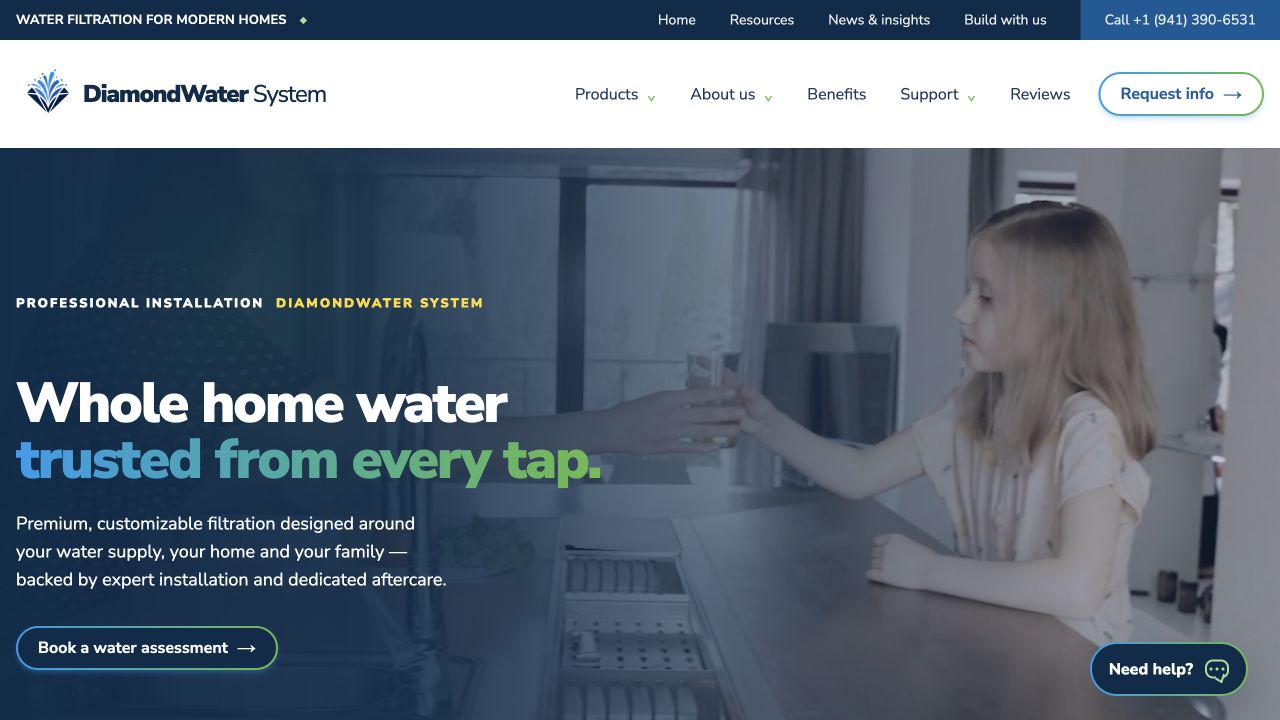
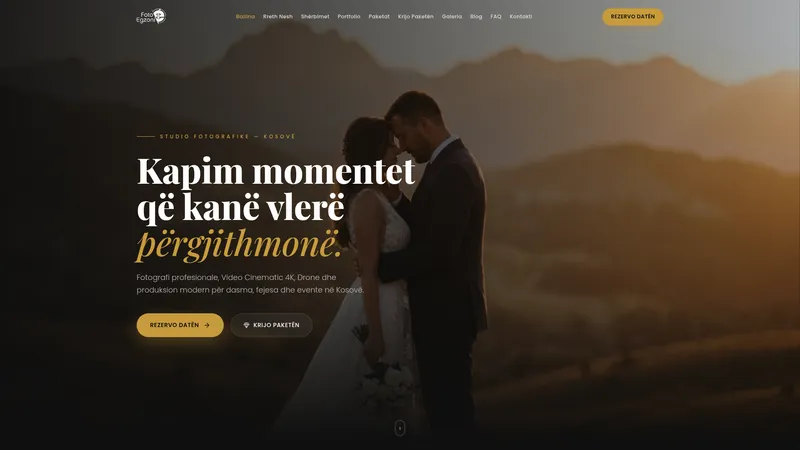
This collection is a reference, not a pre-priced package. The projects shown here—ZEST Consulting, Transformohu, Foto Egzoni, AheadStock, DiamondWater System—have different audiences, content, data, release stages and operating responsibilities. A comparable engagement begins by verifying the problem, the existing environment and the people who will own the result. That prevents a visual pattern or technology choice from being copied into a business where the workflow, risk or success measure is different. Scope, integrations, accessibility, analytics, security and support are then selected because the product needs them, not because every item belongs in every build.

01

Message and audience fit

Before visual design, define who the primary visitor is, what decision they are making and which proof reduces their uncertainty. A focused site can still serve several audiences, but every page needs one clear purpose and a visible next step.

02

Content and information architecture

Services, projects, expertise and contact paths should form a coherent hierarchy. Good information architecture gives important pages their own searchable URL, prevents repeated copy and creates internal links that help both people and search systems understand the offer.

03

Mobile speed and accessibility

Most first visits happen on a phone. Layout, tap targets, reading order, image treatment and forms therefore need to work at small widths before decorative motion is added. Performance and accessibility are reviewed as product requirements, not as a final cleanup task.

04

Ownership after launch

A useful handover covers content updates, analytics, forms, backups and the people responsible for each part. The right technical stack is the one the organisation can operate safely, not simply the one with the longest feature list.

Delivery path

From context to a product the team can operate.

The exact scope changes by project, but these checkpoints keep business, experience and technical decisions connected.

  1. 01

    Discover

    Map the offer, priority audiences, existing content, proof, competitors and business action the site should support.

  2. 02

    Structure

    Turn that context into a page map, user journeys, content requirements and measurable conversion points before polishing screens.

  3. 03

    Design and build

    Develop the visual system and responsive implementation together so components, content and interaction stay consistent across devices.

  4. 04

    Validate and improve

    Review real pages, forms, technical SEO, accessibility and loading behaviour, then use analytics and customer feedback to guide later improvements.

Common questions

Practical answers before a first workshop.

Can PRCONNECT redesign an existing website without replacing every business system?

Yes. The discovery step identifies what should be preserved, what is limiting the current experience and which integrations matter. A redesign can be phased around the current domain, content, CRM, analytics or commerce setup instead of forcing an unnecessary full replacement.

Are SEO foundations included in website work?

The build can include crawlable server-rendered content, semantic headings, metadata, canonical URLs, structured internal links, sitemap and robots controls, performance review and measurement readiness. Search growth still depends on useful content, authority and ongoing improvement after launch.

What should a company prepare before the first website workshop?

Bring the current website or materials, the main services or products, examples of customer questions, available proof, priority markets and the action a qualified visitor should take. Missing content is not a blocker; identifying the gaps is part of the work.

Build the next one

Have a product that belongs in this collection?

We can help shape the offer, user journey, interface and technical delivery as one connected product.

Start a project